
Property Line Survey Before Removing a Long-Standing Shared Fence
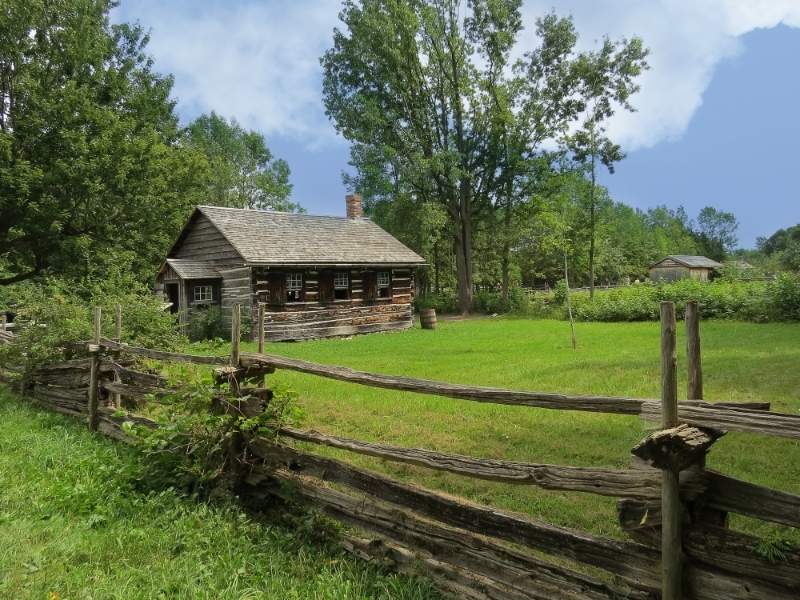
A fence that has stood for decades can feel like a settled boundary. Then a survey comes back, and the drawn line does not follow the fence at all. That gap between what people assumed and what the survey shows is where trouble tends to start, especially when one owner wants the fence gone.
This article walks through what to do after a property line survey shows the line and the fence are two different things. It focuses on the steps around taking out a long-standing shared fence in Oklahoma City. Legal questions belong with an attorney, so treat the notes here as background and not legal advice.
When the Survey Line Cuts Through an Existing Fence
A property line survey marks the legal boundary using recorded deeds, monuments, and field measurements. Sometimes that boundary does not match where a fence sits. The fence may run a few inches or a few feet off the surveyed line on one side or the other.
Read the survey drawing before you touch anything. The surveyor usually draws the fence as its own feature, set apart from the boundary line. Look at how the two relate to each other:
- The line runs on your side of the fence, so part of the fence sits on your land.
- The line runs on the neighbor’s side, so part of the fence sits on theirs.
- The line crosses back and forth, so the fence weaves over the boundary in more than one place.
Measured offsets on the drawing, like “fence 0.6 ft east of line,” tell you exactly how far off the fence sits. That number carries more weight than the fence’s age. A fence can stand for fifty years and still sit off the true line.
Oklahoma Notice Considerations Before Fence Removal
Oklahoma has a statute that comes into play when a survey shows a property line running across an existing boundary or division-line fence. Before anyone damages or removes that fence, the law points toward giving the other owner notice along with a copy of the survey. A neighbor should not wake up to a missing fence they knew nothing about.
Give that notice in writing, and include the survey copy that shows the line. Keep proof of what you sent and when. This step follows what the statute asks and keeps the process fair for both sides.
The exact wording, timing, and requirements of the statute are a legal matter. Talk with an attorney before you rely on any reading of it. A short conversation now can save a long dispute later.
Create a Pre-Removal Record of the Fence Condition
Before any post comes out of the ground, build a clear record of how things look right now. Dated photos are your best tool here. Walk the whole fence line, and shoot both wide shots and close-ups.
Capture the details that tend to cause disagreements later. Small features are easy to forget once the fence is gone. Get clear photos of each of these:
- Every gate, its swing direction, and any lock or latch.
- Plants, vines, trees, or garden beds growing on or against the fence.
- Sprinkler heads, low-voltage lighting, or other features tied to the fence.
- The exact stretch you plan to take out, marked in the photos.
Note the date on each photo and keep the files somewhere safe. This record helps both owners talk about the work with the same facts in front of them. It does not decide who owns the fence, and it does not prove where the boundary sits. It simply shows the condition before work started.
Separate Survey Findings From Fence-Ownership Questions
A property line survey answers one question: where is the boundary. It does not say who owns the fence, who paid for it, or who has the right to tear it down. Those are separate questions, and the survey drawing will not settle them.
Ownership and removal rights can turn on deeds, old agreements, shared-cost history, and state law. Two neighbors can look at the same survey and still disagree about the fence. That’s normal, and it’s why the boundary line and the fence question should stay separate in your mind.
When owners don’t see eye to eye, put the plan in writing. A simple signed agreement can cover who removes what, who pays, and what happens next. If the disagreement runs deep, each owner should get their own legal advice before a single panel comes down.
Plan Any Replacement Fence With Oklahoma City Requirements in Mind
Treat removal and replacement as two different decisions. Taking a fence out does not lock you into where a new one goes. Once the old fence is gone, you have a clean chance to set a new line based on the survey.
Oklahoma City requires a permit for fence construction, installation, alteration, repair, or service. Check the current Oklahoma City residential fence permit requirements before you build or change anything. Rules change over time, so confirm the details with the city rather than guessing from an old memory or a neighbor’s story.
A new fence built to the surveyed line can head off the same mix-up years down the road. If you and your neighbor share the new fence, write down the plan first. That way both sides know the line, the cost split, and the upkeep.
Frequently Asked Questions
Does a property line survey determine who owns a shared fence?
No. A survey shows where the boundary sits, not who owns the fence. Ownership can depend on deeds, past agreements, and who built or paid for it. To sort out ownership and the right to remove a fence, review those records and get legal advice.
Does the age of a fence automatically make it the property line?
No. A fence that has stood for many years is not proof of the boundary on its own. The legal line comes from a professional boundary determination, not from how long a fence has been standing. A long-standing fence can sit well off the surveyed line.
When should a neighbor receive a copy of the survey?
Share the survey before any damage or removal when it shows the property line running across an existing boundary or division-line fence. Send it in writing along with the notice the situation calls for. This gives your neighbor a fair chance to see the line for themselves. For the exact requirements, check with an attorney.
