
ALTA Survey for Commercial Property With Multiple Access Points
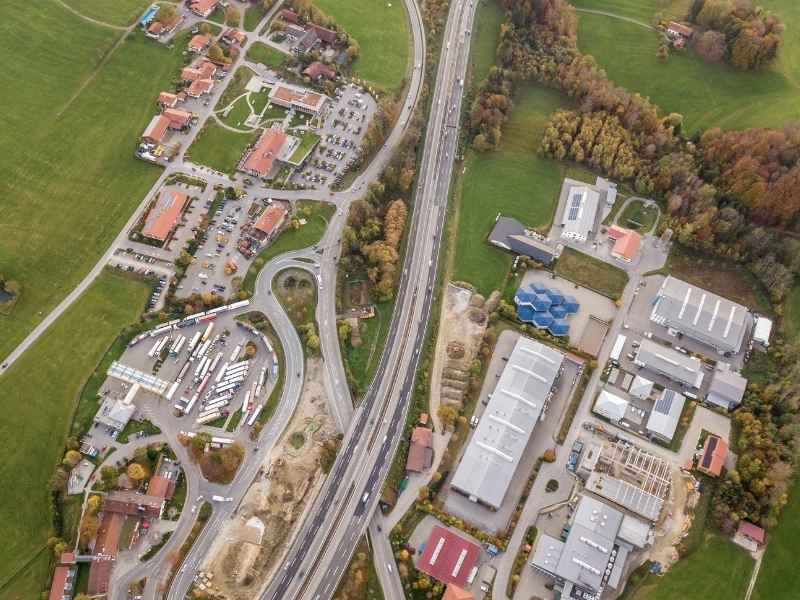
A commercial property with many entrances can look great on a walk-through. But what you see with your eyes does not always match what the papers say. Some entrances may depend on a shared driveway, an easement, or an access right that could change or go away.
An ALTA survey helps clear this up before you close a deal. It maps every entrance on the property and checks it against the legal rights tied to the land. For buyers, lenders, and title companies, this protects the value of the deal.
An ALTA survey is a detailed survey of the land and its boundary lines. It follows a set of national rules used for business real estate deals. It goes further than a normal boundary survey. It also records easements, buildings, utility lines, and access details that matter to lenders and title companies.
Map Every Entrance Along the Commercial Property Boundary
The first step in checking access is to map every entrance along the property line. This includes the main entrance used by customers, side entrances used for deliveries, and any entrance that connects to a neighbor’s land or a shared parking lot.
An ALTA survey finds and records each entrance with care. It shows exactly where each one sits along the boundary line. This gives a clear starting point for the rest of the access review.
- Main entrances used by customers or tenants
- Side or delivery entrances
- Shared driveways or links to nearby properties
Business areas often have properties with more than one driveway cut or a shared access built over many years. Mapping each one correctly is the first step to knowing what can actually be used.
Compare Physical Access With Recorded Access Rights
An entrance that you can see and use is not always backed by a legal right on paper. This gap causes many surprises in commercial property deals. It is exactly what an ALTA survey is built to catch.
The surveyor compares the real entrances found on site with the access rights written in title papers, deeds, and older surveys. When the real access and the legal rights match, that is good news. When they do not match, it raises a warning sign that needs to be fixed before closing.
Ask your surveyor and title company to explain any mismatches found during this check. What happens next can depend on the property, the title company, and the type of problem found.
Identify Easements Affecting Shared or Secondary Entrances
Shared and side entrances often depend on an easement. An easement is a legal right that lets someone use part of land owned by another person. These easements can be written clearly, written with unclear or old wording, or sometimes missing from the title papers completely.
An ALTA survey finds and maps any easements that affect access. It shows exactly where they run and how they connect to the entrances on your property. This matters a lot for shared driveways or back delivery entrances, which are common in business areas.
Ask your title company if any easements affecting access have an end date, upkeep rules, or limits on how they can be used. These details affect how safe and reliable that entrance will be for your business.
Review Access Points Against Rights-of-Way and Property Limits
Entrances near a public road also need to be checked against the public right-of-way and the true edges of the property. A right-of-way is a strip of land, often next to a street, that a city or utility company has the right to use. This can affect where a driveway or entrance is legally allowed to connect.
An ALTA survey shows how each entrance lines up with the right-of-way and checks if the current access follows the recorded limits. This matters a lot for corner lots or properties on busy streets, where rules about driveway spacing and permits can apply.
Ask your local city office if any planned road work or right-of-way changes could affect access to the property in the future. This kind of information does not always show up in a normal title search.
Use Access Information During Commercial Property Due Diligence
Once you have checked the entrances, easements, and rights-of-way, this information becomes a key part of your research before buying. Lenders, title companies, and buyers all want a clear picture of access before they finish a business property deal.
Unclear or unsafe access can lower a property’s value and make it harder to use or insure. Fixing access questions before closing gives everyone more confidence that the property will work the way the deal expects.
Ask early in your deal if your lender or title company requires an ALTA survey. This can depend on the type of loan, how the property is used, and the title company’s own rules. Planning for this step early protects your closing date.
Frequently Asked Questions
What makes an ALTA survey different from a standard boundary survey?
An ALTA survey follows national rules made for business property deals. It adds extra detail about easements, buildings, utility lines, and access rights. A standard boundary survey usually only shows the property lines.
Who usually orders an ALTA survey for a business deal?
This can change from deal to deal, but buyers, lenders, and title companies often ask for one as part of their research before closing on a business property.
What happens if an entrance does not match the recorded rights?
This depends on the situation. It may need a new easement agreement, a special note from the title company, or more talks between the buyer and seller before the deal can close.
